Subtotal ₹0.00

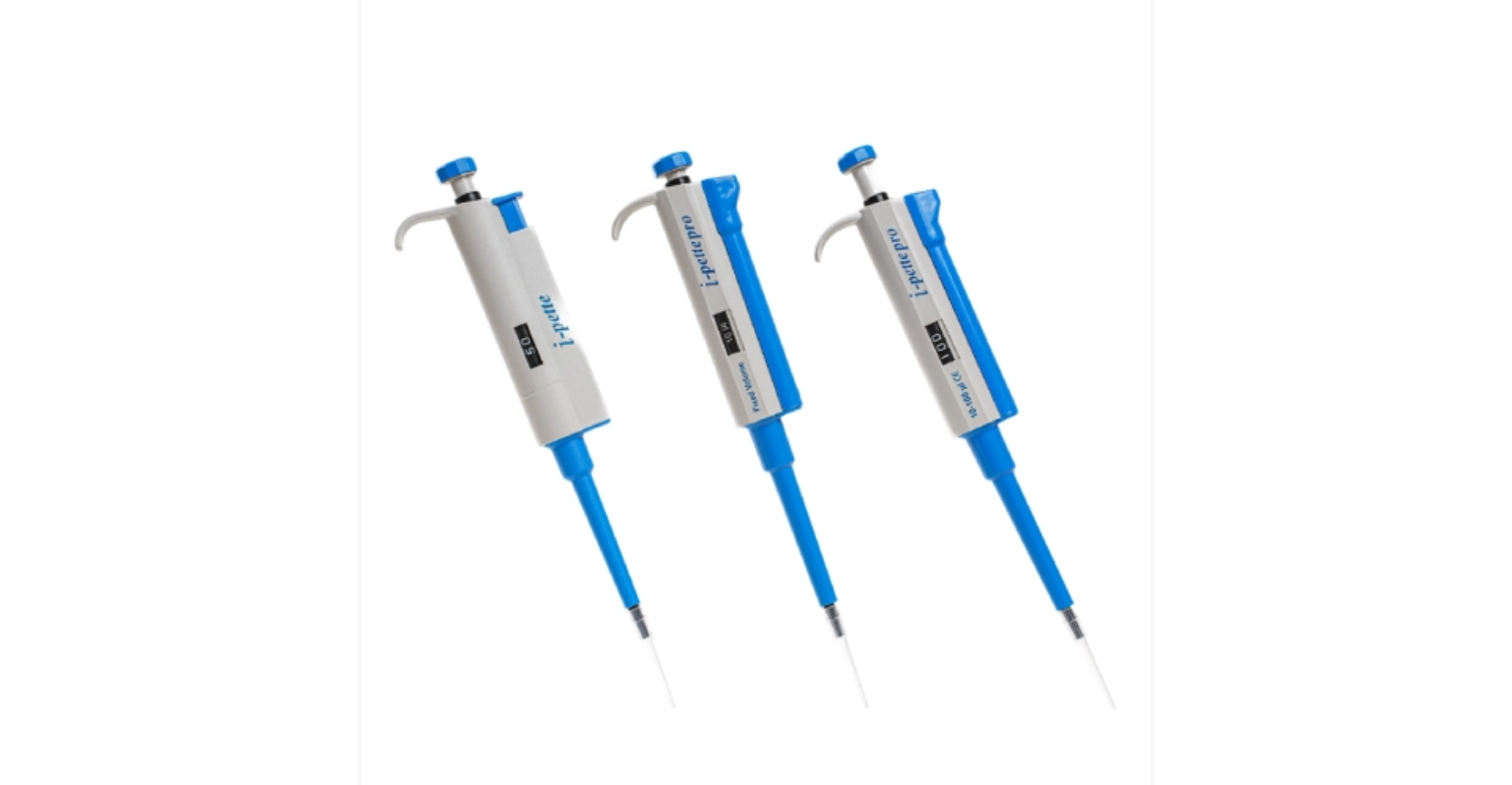
A micropipette is used in highly sensitive laboratory experiments and research. Used for precise transfer and handling of liquids, pipettes are versatile in many sophisticated domains such as microbiology, analytical chemistry, genetics, immunology, drug discovery, and forensic sciences. Lab activities such as measurement, mixing, and transferring require these tools for testing and analysis, and volume readings often range from milliliters to microliters. So, any error in mishandling, using the wrong steps, using prohibited chemicals, or going beyond tolerance limits leads to incorrect results and spoils the whole experiment. While the pipette is ergonomic for firm handling, some key precautions must be taken while using it. Let’s look into three important precautions to ensure correct usage of the micropipette:
3 Key Precautions While Using a Micropipette
1. Set The Right Volume
Micropipettes have a wide range, from 1 to 1000 microns. However, setting the volume of liquid to extreme limits risks inaccuracies. Therefore, the pipette volume should be within a feasible range that the tool can handle. Choose the pipette according to the volume of liquid. Choosing a high-volume pipette for a relatively small volume is impractical; likewise, using a small pipette for high-volume liquid is the wrong method.
2. Choose The Right Tip
Choosing the right tip is important because the wrong one directly affects results, and variations can lead to errors. The tip is selected based on the liquid’s volume range and the size and shape of the receiving vessel or container. For instance, a long, narrow tip is used for dispensing liquid into small tubes. Special designs and techniques are used for viscous liquids and volatile liquids, and standard tips are not used for these liquids. The tip is sterilized if needed.
3. Pipette Carefully
Pipetting should be done with the utmost care, as it is the main act and requires the utmost attention. From depressing the plunger to create a vacuum, which creates space for the liquid, to dispensing it into the vessel, the pressure applied by the thumb must be even, consistent, and just balanced. Instructions for aspiration and dispensing must be carefully followed. The balance between pressure and plunging speed directly affects pipetting accuracy. Vertical aspiration and dispensing are the right methods. Apart from this, the pipette should not be kept lying flat because the liquid can leak into the spring mechanism and cause it to rust. Air bubbles are strictly not allowed as they severely impact the accuracy. The tip is removed and discarded using the tip ejector button.
Other Precautions:
- Calibrate the pipette regularly for accurate measurements.
- Avoid using highly corrosive acids, bases, and highly volatile liquids.
- Special techniques are used for pipetting viscous and volatile liquids and organic solvents.
- Clean and disinfect the pipette and tips before and after use
- Avoid touching the tip to maintain the liquid’s sterility. Use gloves while operating.
By setting the volume correctly, choosing the appropriate tip, following the instructions properly, and maintaining the cleanliness of all apparatus, the micropipette can be used to obtain accurate results. Manufacturers like Vertex RV provide a wide range of pipettes, with a digit display up to 4 digits for precise experimental results.
